CHAPTER 4: Mini-stories from the history of drinking – Gin
Welcome to our book series „Bukowski SHOTS“ – Digital Edition.
We’ve decided to make the book „Bukowski SHOTS – A Guide to Mixed Drinks“ available to the public for free. It was created during the pandemic as a way to survive tough times—both financially and mentally—and today, we are gradually releasing it in an online format.
Each installment = one chapter or section from the book, adapted for the web. At the end of every article, you’ll find a link to the next part so you can keep reading seamlessly.
And once we get to the actual shots, you can look forward to our personal recommendations and those classic „bar bizarre“ notes that are simply part of the Bukowski experience.
Gin
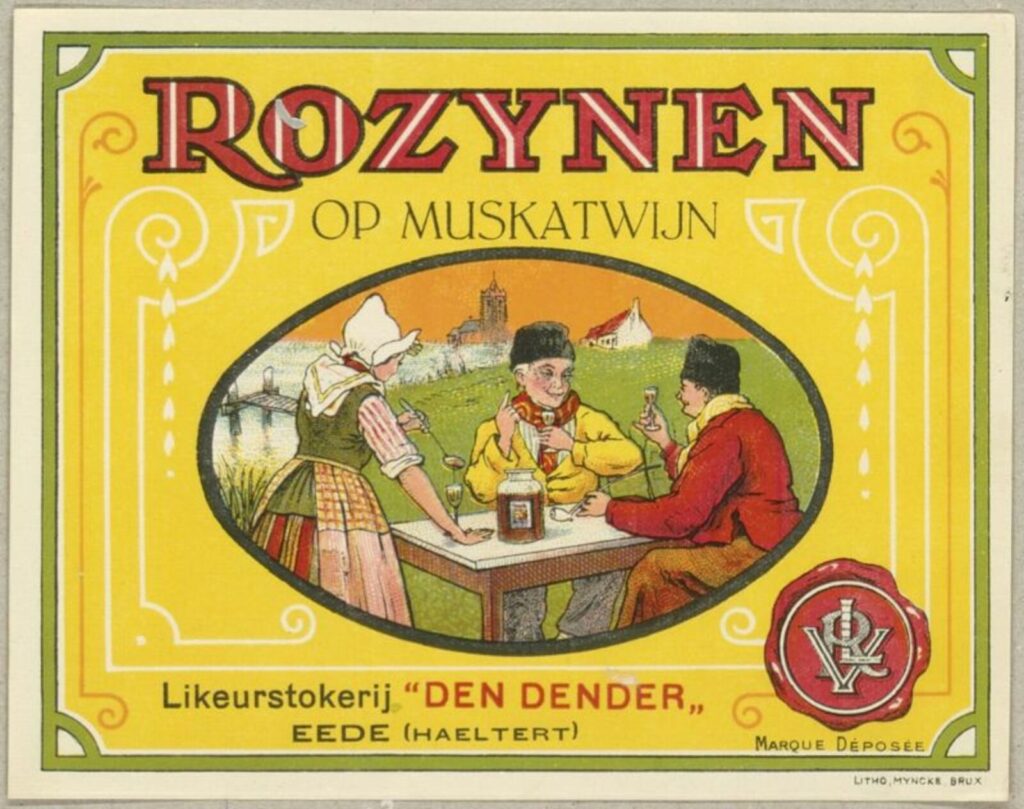
The word „gin“ represents a supernatural being and is derived from the Arabic verb ganna—meaning „to drive to madness“ or „to cause possession.“ That would be a fairly fitting origin for the alcohol of the same name… except it isn’t. England’s beloved gin is actually based on the Dutch spirit genever, which took its name from the Old French term for juniper.
Much like Slovak borovička, Dutch genevers were originally sold as medicine—primarily for stomach issues. However, its creation in the Netherlands was essentially a „patch“ for imperfection. By the 16th century, distillation was spreading across Europe, but it remained a new and flawed alchemy. The Dutch hit upon the idea that poorly distilled spirits could be salvaged by adding medicinal juniper oil.
Then, some unknown legend said: „I’ll burn it, cool it, kill it, bottle it, drink it, it tastes good, and we’ll call it slivo…“—pardon us, we got carried away—genever!
It „tasted good“ to the soldiers too, as this liquid provided them with courage—a combination that became the basis for the phrase „Dutch courage.“ Since the English assisted Dutch soldiers on the battlefields of the Thirty Years‘ War, they brought this new drink home from their brothers-in-arms. It first took root in the big cities, but for folks from the countryside, it was a dangerously lethal novelty.
In his book A Short History of Drunkenness, Mark Forsyth describes an incident where a peasant arrived in London and a hustler bet him a few shillings that he couldn’t drink four pints of gin in a row. Since the countryman only knew beer and was confident in his drinking abilities, he dove into the unknown gin. He never even started the fourth pint; alcohol poisoning killed him before he could.
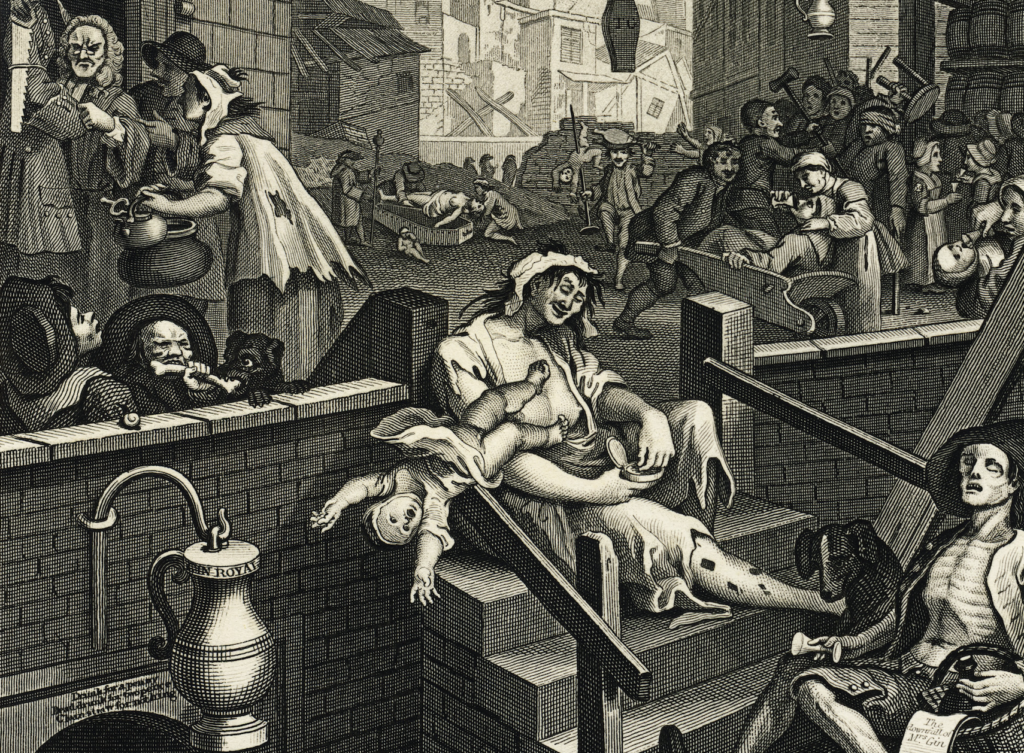
In Britain, gin initially caused massive devastation during a period of intoxication known to history as the Gin Craze. However, in the 19th century, combined with a new beverage called tonic, it became a „medicine“ once again. The Gin & Tonic was even dubbed the „aspirin of the Victorian era“—it was meant to protect British officers serving in India from malaria… and boredom.
In our part of the world, this drink only began to settle in during the 20th century. In the book Cocktails and Other Drinks of the New Era, Vilém Vrabec describes gin as a „gentler borovička“ and lists several cocktails made from this spirit, though they likely didn’t travel far beyond Prague’s hotel bars.
Given that when a Slovak has to choose between borovička and a „gentler borovička,“ they see no reason to reach for the latter, the popularity of this spirit only emerged here in the 21st century alongside the rise of cocktail culture. In recent years, the market has been flooded with craft gins. No need to rub any lamps anymore—there are plenty of „gins“ to go around.